
Understanding Food Activation and Distribution
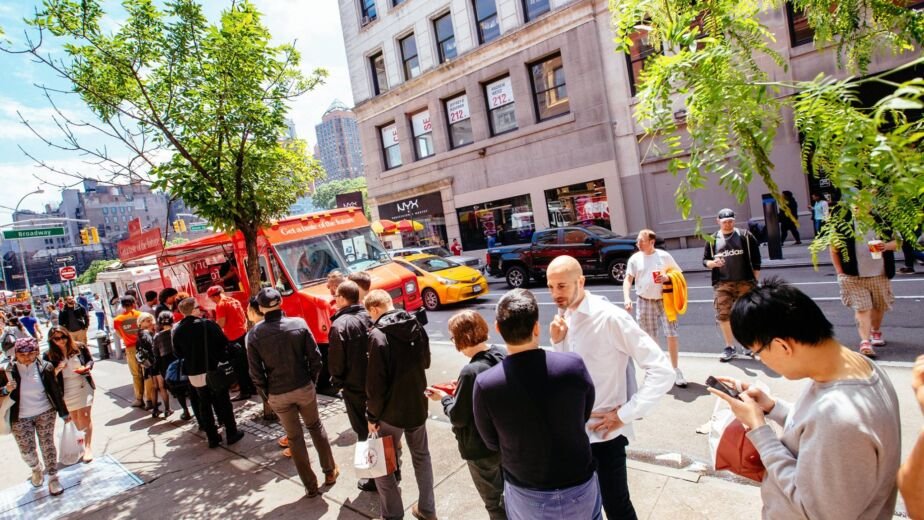
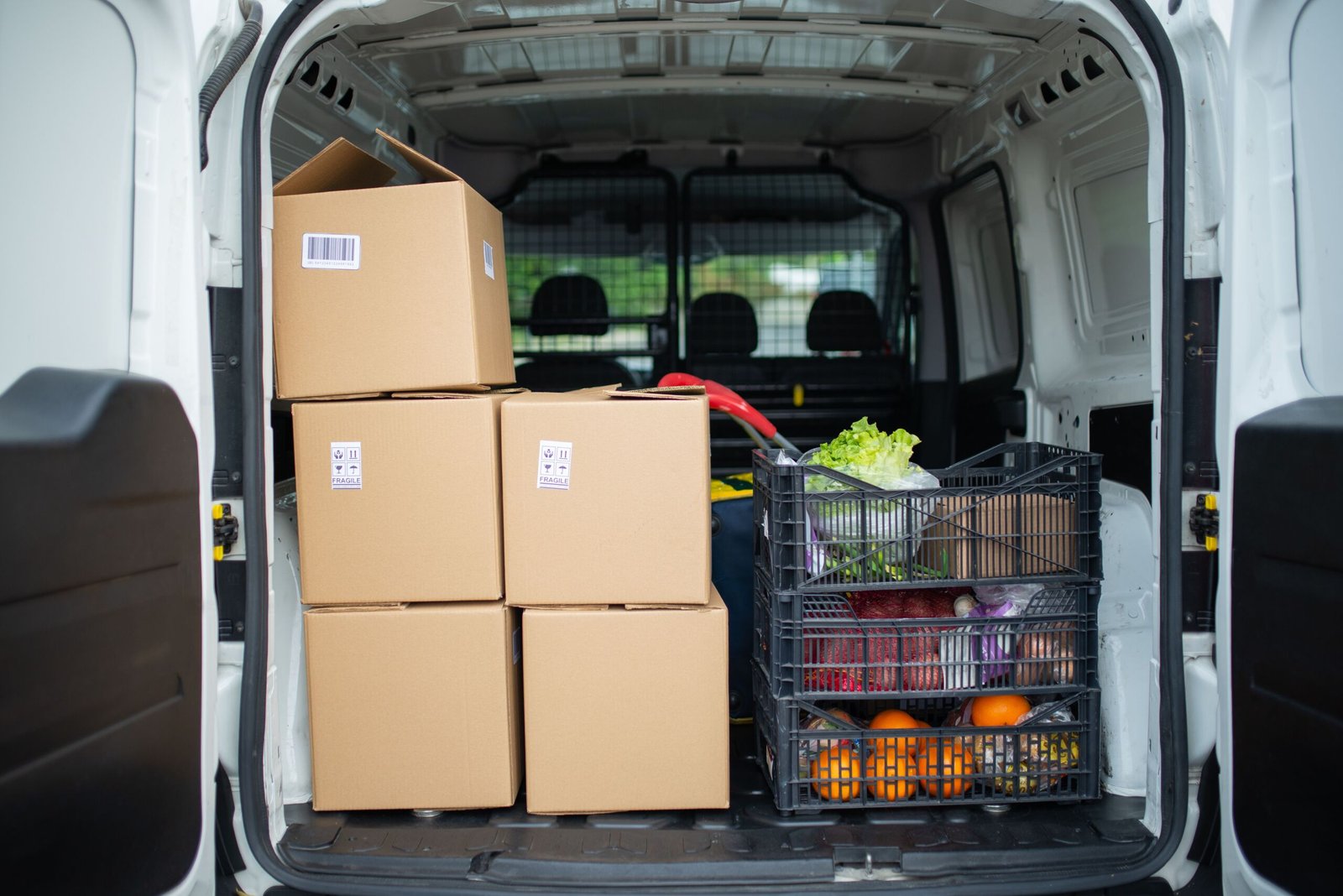
Food activation refers to the on-the-ground strategies brands use to introduce products directly to consumers, whether through sampling campaigns, retail demonstrations, or promotional events, while distribution ensures those same products physically reach stores, restaurants, and end customers on time and in the right condition. Together, these two functions form the bridge between a product sitting in a warehouse and a customer choosing it off a shelf.
Why Activation Matters as Much as the Product Itself
Even the best product can go unnoticed in a crowded market. Activation campaigns create the first physical or experiential connection between a brand and its audience, often making the difference between a product that sits untouched and one that builds real momentum.
Distribution as the Silent Backbone of Retail Success
No amount of marketing can compensate for empty shelves. Reliable distribution ensures that the excitement generated by an activation campaign translates into actual sales, because customers can only buy what is physically available to them.
Core Components of a Successful Food Activation Strategy
A well-run activation program blends creativity with operational discipline, ensuring that every sampling event or in-store demonstration reflects positively on the brand.
In-Store Sampling and Demonstrations
Trained brand ambassadors introduce products directly to shoppers, answering questions and creating memorable first impressions that are far more persuasive than packaging alone.
Selecting the Right Retail Locations
Choosing high-traffic stores with the right customer demographic is essential, since even the most engaging sampling team cannot succeed in a location with the wrong audience.
Training Brand Ambassadors
Consistent messaging and product knowledge across every activation team ensures a unified brand experience, regardless of which location or city a campaign runs in.
Event-Based Product Launches
Larger activations, such as pop-up experiences or exhibition booths, allow brands to create immersive environments where customers can taste, touch, and experience a product beyond a simple shelf display.
Measuring Activation Performance
Tracking metrics such as samples distributed, conversion rates, and direct feedback collected on-site allows brands to refine future campaigns based on real customer response rather than assumptions.
The Distribution Network Behind Every Successful Brand
Behind every product on a shelf lies a distribution network responsible for warehousing, transportation, and delivery scheduling that keeps inventory flowing smoothly.
Warehousing and Inventory Management
Proper storage conditions, especially for perishable food items, protect product quality from the moment it leaves production until it reaches the final point of sale.
Route Planning and Delivery Efficiency
Smart route planning reduces delivery times and fuel costs while ensuring that products arrive fresh and on schedule, which is particularly critical for perishable and temperature-sensitive goods.
Cold Chain Management
Maintaining consistent temperatures throughout transport and storage is non-negotiable for many food categories, requiring specialized vehicles and monitoring systems to prevent spoilage.
Connecting Activation and Distribution for Maximum Impact
The real advantage comes when activation and distribution are managed together rather than as separate functions, ensuring that demand generated at the point of sale is matched by adequate stock availability.
Synchronizing Campaigns With Inventory Levels
Launching an activation campaign without ensuring sufficient stock in nearby stores risks disappointing exactly the customers a brand worked hardest to attract.
Real-Time Data Sharing Between Teams
When activation teams and distribution planners share data in real time, brands can quickly restock high-performing locations and adjust future campaigns based on what is actually selling.
Choosing a Partner for Food Activation and Distribution
Given the operational complexity involved, most brands benefit significantly from partnering with a specialized provider rather than building these capabilities from scratch.
Proven Retail Relationships
An experienced partner brings established relationships with retailers, which can shorten the time it takes to get a new product onto shelves in the first place.
End-to-End Capability
The strongest partners manage both activation and distribution under one roof, eliminating the communication gaps that often arise when these functions are handled by separate vendors.
Adapting Strategy for Different Retail Channels
Not every retail environment behaves the same way, and brands that succeed at scale tend to adjust their activation and distribution approach depending on where their products are sold.
Supermarkets and Large Retail Chains
High-volume retail environments demand tight coordination between activation schedules and central distribution planning, since a single successful campaign can quickly deplete stock across dozens of locations if replenishment is not carefully managed.
Negotiating Shelf Placement
Securing favorable shelf positioning within large chains often requires ongoing relationship management and performance data that demonstrates a product’s sell-through rate over time.
Independent and Specialty Stores
Smaller, independent retailers often value a more personal relationship with brands, making tailored activation approaches and flexible, smaller-batch distribution arrangements particularly effective in these settings.
The Role of Technology in Modern Distribution
Advances in tracking and forecasting technology have transformed how distribution teams plan and respond to demand across an entire retail network.
Demand Forecasting Tools
Modern forecasting software analyzes historical sales patterns, seasonality, and even weather data to help distribution teams anticipate demand shifts before they happen, reducing both stockouts and excess inventory.
Real-Time Fleet Tracking
GPS-enabled fleet tracking allows distribution managers to monitor delivery progress in real time, quickly identifying and resolving delays before they affect a store’s ability to restock in time for peak shopping periods.
Conclusion: Turning Products Into Everyday Choices
Food activation and distribution work hand in hand to transform a product from an idea on a shelf into a trusted part of a customer’s daily routine. Brands that invest in both the experiential side of activation and the operational discipline of distribution position themselves for sustainable, long-term growth in an increasingly competitive market.