
An Industry in the Middle of a Major Transformation
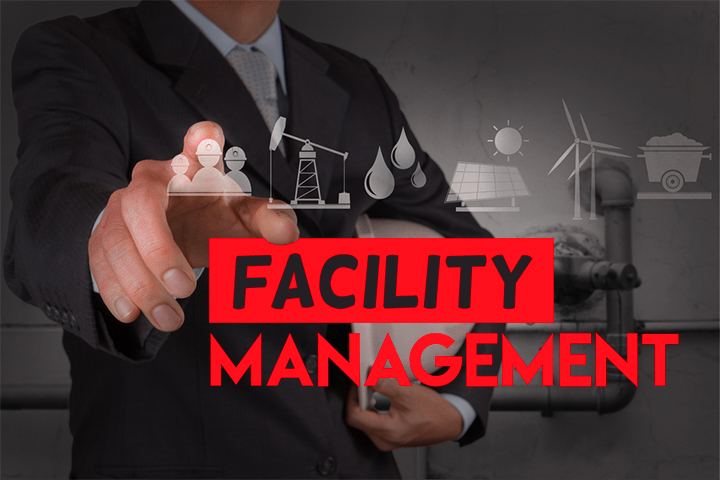
Facility management has evolved far beyond reactive maintenance and cleaning schedules. Today, the industry is being reshaped by data, automation, and a growing focus on sustainability, forcing both providers and building owners to rethink how facilities are operated and maintained.
From Reactive to Predictive Operations
Where facility teams once responded to problems after they occurred, modern operations increasingly rely on data to predict issues before they disrupt a building’s normal function.
Rising Expectations From Building Occupants
Employees and tenants now expect buildings to be comfortable, efficient, and responsive, placing pressure on facility managers to deliver a higher standard of service than in previous decades.
Smart Building Technology and Automation
Perhaps the most visible shift in facility management is the rise of smart building systems that connect a facility’s various components into a single, intelligent network.
IoT Sensors and Real-Time Monitoring
Sensors placed throughout a building continuously monitor temperature, humidity, occupancy, and equipment performance, feeding data into centralized systems that flag issues long before they become visible problems.
Predictive Maintenance Powered by Data
Instead of servicing equipment on a fixed schedule, predictive maintenance uses real-time performance data to identify exactly when a system needs attention, reducing both unnecessary maintenance and unexpected breakdowns.
Automated Building Controls
Automated systems can adjust lighting, temperature, and ventilation in real time based on occupancy and usage patterns, improving comfort while reducing unnecessary energy consumption.
Centralized Facility Management Platforms
Modern facility teams increasingly rely on centralized software platforms that consolidate maintenance schedules, work orders, and reporting into a single accessible dashboard.
Mobile Access for Field Technicians
Mobile applications allow field technicians to receive, update, and close work orders directly from a job site, significantly reducing delays caused by manual paperwork and communication gaps.
Sustainability as a Core Operational Priority
Environmental responsibility has moved from a secondary consideration to a central pillar of modern facility management strategy.
Energy Efficiency Initiatives
Facility teams are increasingly tasked with identifying and implementing energy-saving measures, from upgraded lighting systems to smarter HVAC scheduling that reduces waste without compromising comfort.
Water Conservation and Waste Reduction
Beyond energy, facility management now often includes formal water conservation programs and waste reduction strategies aimed at lowering a building’s overall environmental footprint.
The Growing Role of Data-Driven Decision Making
As facilities generate more operational data than ever before, the ability to interpret and act on that data has become a defining skill for modern facility management teams.
Performance Benchmarking Across Portfolios
Organizations managing multiple properties increasingly compare performance data across their entire portfolio, identifying which facilities are operating efficiently and which need targeted intervention.
Reporting Transparency for Stakeholders
Detailed, data-backed reporting gives property owners and business leaders clear visibility into operational performance, moving facility management from a background function to a strategic conversation.
What This Means for Businesses Today
These technological and strategic shifts are not limited to large enterprises; they are increasingly accessible to businesses of all sizes through specialized facility management partners.
Partnering With Providers Who Invest in Technology
Choosing a facility management partner that actively invests in modern tools and platforms ensures your business benefits from these advancements without having to build the technology internally.
Staying Competitive Through Operational Excellence
As tenants and employees increasingly expect smarter, more sustainable buildings, businesses that adopt these trends early gain a meaningful advantage in attracting and retaining talent and clients alike.
The Human Element Alongside Technology
Despite the rapid growth of automation and smart systems, skilled people remain at the center of effective facility management, interpreting data and making judgment calls that technology alone cannot replicate.
Upskilling Facility Management Teams
As buildings become more technologically sophisticated, facility teams increasingly require training in data analysis and digital systems alongside traditional technical skills, creating a more versatile and valuable workforce.
Bridging the Gap Between Technicians and Technology
Successful facility management providers invest in training that helps experienced technicians confidently use new digital tools, ensuring technology adoption strengthens rather than disrupts day-to-day operations.
Balancing Automation With Personal Service
While automated systems handle routine monitoring efficiently, building occupants still value responsive, personable service teams who can address concerns quickly and communicate clearly when issues arise.
Regional Considerations Shaping the UAE Market
Facility management trends in the UAE are also shaped by unique regional factors, including climate demands and rapid urban development, that influence how these global trends are applied locally.
Managing Extreme Climate Conditions
The region’s intense heat places additional strain on cooling systems, making smart HVAC management and predictive maintenance particularly valuable for controlling both costs and equipment lifespan.
Supporting Rapid Urban Growth
As new commercial and residential developments continue to expand across the region, scalable facility management solutions that can be deployed quickly across multiple new properties are becoming increasingly important.
Conclusion: Preparing for What Comes Next
The future of facility management lies in the intelligent combination of technology, sustainability, and data-driven decision making. Businesses that partner with forward-thinking facility management providers today are positioning themselves to operate more efficiently, sustainably, and competitively in the years ahead.