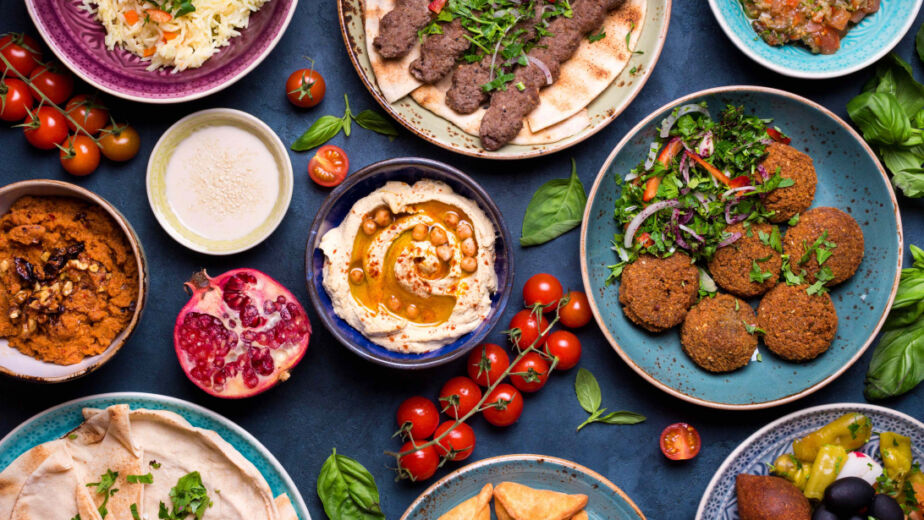
Nuts Dried Fruits and Daily Salads for Sustained Energy During Ramadan Eating healthy during Ramadan is about creating a balance between nutrition, hydration, and satiety. Small, nutrient-dense foods such as nuts, dried fruits, and fresh salads play a major role in maintaining energy and wellness during fasting hours. Incorporating these foods strategically can improve digestion, reduce fatigue, and provide long-lasting satisfaction.
Many people focus primarily on large meals at Iftar and Suhoor, overlooking the importance of snacks and fresh vegetables. By including small, nutritious portions in your daily plan, you can support metabolism, maintain steady energy levels, and ensure that your body receives essential vitamins and minerals during fasting.

Nuts Dried Fruits and Daily Salads for Sustained Energy During Ramadan
Nuts such as almonds, walnuts, cashews, and pistachios are rich in protein, healthy fats, fiber, and essential minerals. Eating a small handful between Iftar and Suhoor provides sustained energy, helps maintain satiety, and supports overall health.
For instance, a handful of almonds after Iftar can curb excessive sugar cravings, provide heart-healthy fats, and prevent overeating during the main meal. Similarly, walnuts and pistachios supply omega-3 fatty acids and antioxidants that aid in inflammation reduction and cognitive function.
Dried Fruits: Natural Energy Boosters
Dried fruits like dates, figs, apricots, and raisins are nutrient-dense, providing natural sugars, fiber, and vitamins. Including a small portion of dried fruits between meals can replenish energy, stabilize blood sugar levels, and promote digestive health.
Dates are a traditional staple for breaking the fast, and when consumed in moderation, they provide immediate energy without overloading the digestive system. Pairing dried fruits with nuts creates a balanced snack rich in protein, healthy fats, and natural sugars.
The Importance of Daily Salads
Salads are crucial for hydration, vitamins, and fiber, especially during Ramadan. Fresh vegetables like lettuce, cucumber, tomato, bell peppers, carrots, and herbs provide essential nutrients, aid digestion, and help maintain a feeling of fullness without excessive calories.
Incorporating salads in both Iftar and Suhoor meals promotes a balanced diet, supports healthy weight management, and enhances overall well-being. Dress salads lightly with olive oil and lemon juice to preserve nutritional value while adding flavor.
Combining Nuts, Dried Fruits, and Salads Effectively
Creating a meal plan that combines these components ensures maximum benefit. For example, after Iftar, enjoy a small plate of fresh salad, followed by a handful of nuts and dried fruits as a snack. This approach provides fiber, healthy fats, and natural sugars, stabilizing energy levels and preventing late-night cravings.
Similarly, for Suhoor, include a portion of salad with complex carbohydrates, a protein source, and a teaspoon of olive oil. Adding a few nuts or dried fruits ensures sustained energy and fullness throughout the fasting day.
Hydration and Nutrient Absorption
Nuts, dried fruits, and salads also support hydration. Fresh vegetables contain high water content, helping to maintain fluid balance during fasting hours. Additionally, the healthy fats in nuts aid nutrient absorption, allowing your body to benefit fully from vitamins and minerals present in your meals.
Spacing your snacks and meals strategically between Iftar and Suhoor enhances digestion, prevents bloating, and ensures optimal nutrient utilization.
Tips for Maximum Effectiveness
- Measure nuts and dried fruits to a small handful to avoid excess calories.
- Rotate different vegetables and herbs in salads to ensure a wide range of nutrients.
- Pair protein-rich foods with vegetables and healthy fats for balanced meals.
- Include water-rich foods to enhance hydration alongside meals.
- Snack at consistent times between Iftar and Suhoor for sustained energy.
Conclusion: A Balanced Approach for Energy and Health
Incorporating nuts, dried fruits, and fresh salads into your Ramadan routine is a simple yet effective way to maintain energy, hydration, and satiety. These foods provide essential nutrients, support digestion, and promote overall wellness while helping prevent fatigue and cravings during fasting hours.
By planning meals strategically and including nutrient-dense snacks, you can enjoy a healthier, more comfortable Ramadan while supporting your long-term health goals.
Take the Next Step Toward a Healthier Ramadan
Want expert advice on incorporating nuts, dried fruits, and salads into your Ramadan nutrition plan? Our specialists provide personalized guidance to optimize energy, hydration, and overall well-being.
📞 Schedule Your Personalized Event Consultation
Contact Seattle Support ServicesNow to Discuss Your Event Requirements
👉 Message Us: https://wa.me/971565370073