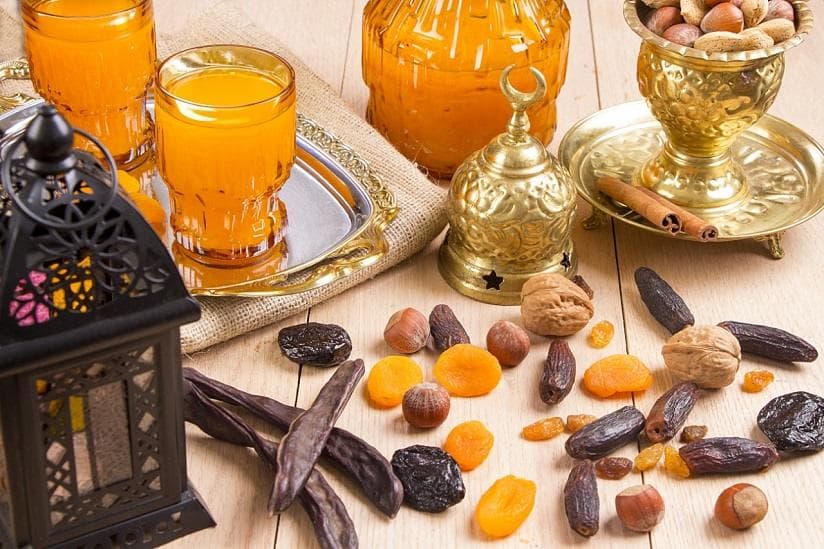
Moderation with Sweets and Natural Juice Choices During Ramadan is a time to balance spirituality, health, and enjoyment of food. While sweets are a popular part of Iftar and Suhoor traditions, consuming them in moderation is essential to maintain energy, prevent sugar spikes, and support overall well-being during fasting hours.
Many people rely heavily on desserts or sweet drinks, which can provide instant energy but also cause rapid blood sugar fluctuations, fatigue, and dehydration. By planning your sweet intake carefully and incorporating healthier alternatives like natural juices or fruit salads, you can enjoy traditional flavors while protecting your health.
Eat Sweets in Moderation
When including sweets in your Ramadan meals, portion control is key. Choose one type of dessert per meal and limit it to a small serving, such as a piece no larger than three fingers. This ensures you satisfy your sweet craving without overwhelming your digestive system or causing sugar spikes.
For example, after Iftar, enjoy a small portion of traditional sweets like qatayef or baklava, but avoid consuming multiple types in one sitting. This approach allows you to enjoy the flavor while keeping energy levels steady and preventing excessive thirst during the fasting day.
Replace Sweets with Fruit Salads on Some Days
Another strategy is to replace desserts with a fresh fruit salad a few days each week. Fruits such as watermelon, cantaloupe, peaches, and berries are naturally sweet, rich in vitamins, and high in water content. They support hydration, digestion, and satiety without excessive sugar or calories.
Fruit salads can be paired with a teaspoon of nuts or a dollop of low-fat yogurt for added protein and healthy fats, making them a balanced and satisfying alternative to traditional sweets.
Opt for Fresh Natural Juices with Minimal Sugar
Drinking fresh, natural juices is preferable to consuming industrial juices rich in artificial colors, preservatives, and added sugars. Fresh juices from oranges, pomegranates, watermelons, or carrots provide essential vitamins, antioxidants, and natural hydration without overwhelming the digestive system.
Adding a small pinch of sugar or natural sweeteners like honey can enhance taste without excessive calories. Combining natural juices with water-rich foods in your meals improves hydration, supports digestion, and helps maintain steady energy levels throughout the fasting day.
Avoid Red Meat, Fried, and Fast Foods at Suhoor
Red meat, fried foods, and fast foods should be limited during Suhoor. These foods increase thirst shortly after consumption and can lead to dehydration and discomfort during fasting hours. Opt instead for lean proteins, whole grains, vegetables, and healthy fats that provide long-lasting energy and support satiety.
For instance, a Suhoor meal including boiled eggs, brown bread, legumes, and a vegetable salad ensures a balanced mix of protein, fiber, and complex carbohydrates, helping you feel full and hydrated throughout the day.
Include Long-Lasting Satiety Foods
Foods that keep you full for extended periods are crucial for a comfortable fast. Whole grains, legumes, oats, and water-rich vegetables are excellent choices. Adding a teaspoon of healthy oils such as olive oil or corn oil increases satiety and supports nutrient absorption.
In addition, including a small handful of nuts or dried fruits between Iftar and Suhoor provides a nutrient-dense snack that stabilizes energy levels and prevents early hunger before the next meal.
Hydration and Energy Balance
Moderation with sweets and careful selection of natural juices support both hydration and energy balance. Avoid excessive sugary drinks or desserts immediately after Iftar, as they can cause rapid spikes in blood sugar followed by fatigue. Instead, combine a small sweet treat with water-rich foods, fresh fruit, or natural juices to maintain energy and hydration throughout the evening.
Conclusion: Balanced Sweet Intake for a Healthy Ramadan
Enjoying sweets and natural juices in moderation during Ramadan allows you to maintain energy, hydration, and overall wellness. Limiting portions, replacing some desserts with fruit salads, and choosing fresh juices over processed alternatives helps prevent fatigue, dehydration, and sugar spikes. Combining these practices with balanced Suhoor meals ensures sustained energy and satiety during fasting hours.
By planning your sweet intake wisely and including nutrient-dense alternatives, you can enjoy the traditions of Ramadan while supporting your health and productivity.
Take the Next Step Toward a Healthier Ramadan
Need expert advice on moderating sweets, choosing natural juices, and balancing meals during Ramadan? Our specialists provide personalized guidance for optimal health and energy.
📞 Schedule Your Personalized Event Consultation
Contact seattle support services Now to Discuss Your Event Requirements
👉 Message Us: https://wa.me/971565370073