The Importance of Facility Management in Modern Businesses Modern businesses depend on more than strong products and professional teams to succeed. The physical environment where employees customers and operations interact plays a major role in productivity efficiency and business growth. This is where facility management becomes one of the most essential parts of modern organizations.
Facility management is the process of maintaining managing and improving buildings workspaces and operational environments to ensure businesses function smoothly every day. It combines multiple services including maintenance cleaning security space management safety compliance and operational support under one structured system.
As companies continue to grow and adapt to changing market demands facility management has evolved from a basic maintenance function into a strategic business solution. Businesses now recognize that efficient facility management directly affects employee performance customer satisfaction operational costs and long term success.
Table of Contents
ToggleWhat Is Facility Management
Understanding the Core Concept
Facility management involves coordinating all services and processes required to maintain a functional safe and productive environment for businesses and organizations.
It focuses on both the physical infrastructure and the people using the space. The goal is to ensure that buildings systems and services support business operations efficiently without interruptions.
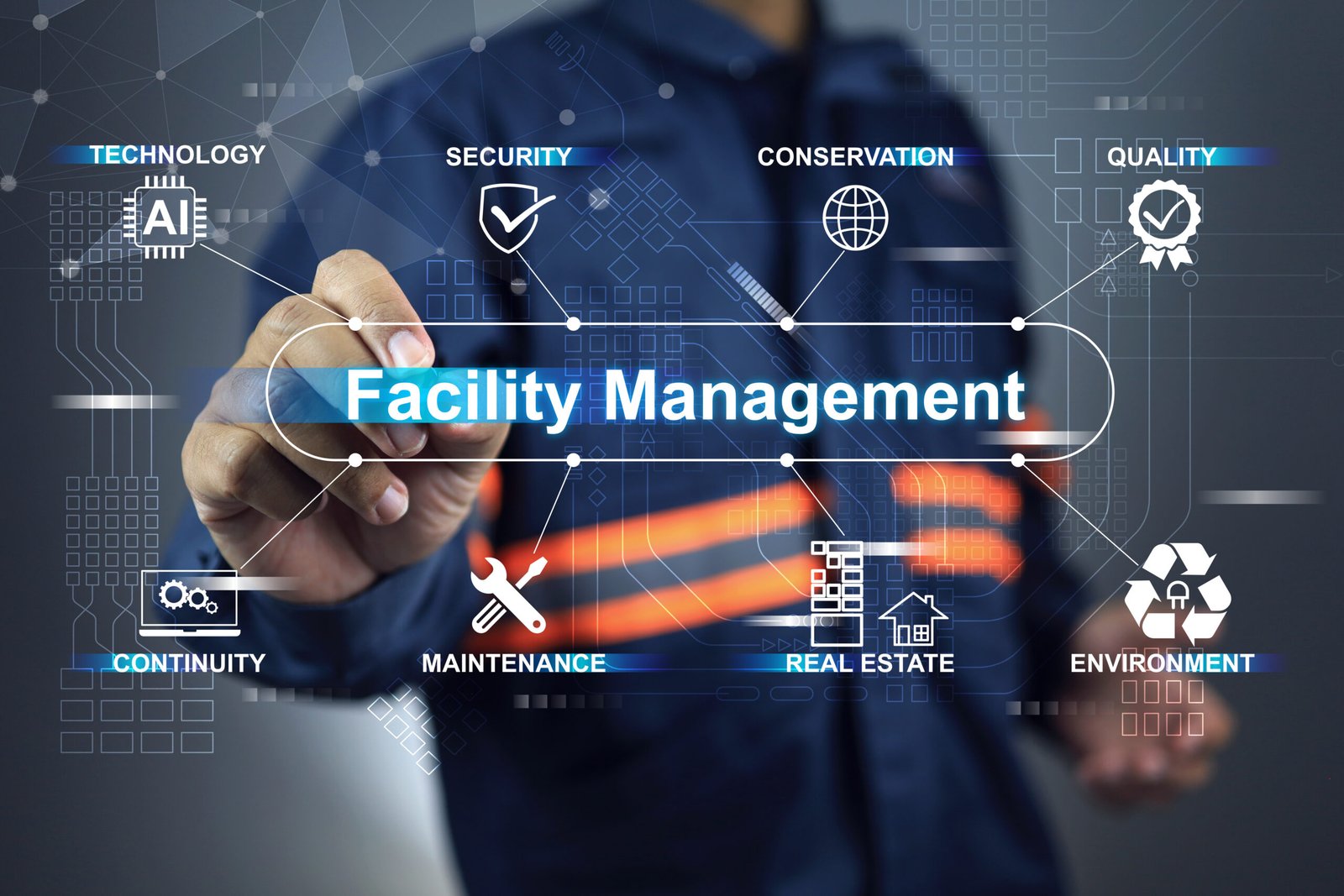
Facility management typically includes:
- Building maintenance
- Cleaning and sanitation
- Security services
- Space planning
- Health and safety management
- Energy management
- Workplace support services
- Asset maintenance
- Emergency preparedness
The Growing Role of Facility Management
In the past facility management was mainly associated with fixing equipment or handling maintenance issues. Today it plays a much larger role in supporting business continuity improving operational efficiency and enhancing workplace experiences.
Modern businesses rely on facility management teams to create organized environments that improve productivity reduce operational risks and support long term business goals.
Why Facility Management Matters in Modern Businesses
Improving Workplace Productivity
Creating Efficient Work Environments
Employees perform better when they work in environments that are clean organized comfortable and properly maintained. Poor workplace conditions can negatively affect focus motivation and overall performance.
Facility management ensures that workplaces remain functional and supportive by maintaining lighting temperature air quality furniture cleanliness and operational systems.
A well managed environment helps employees stay productive while reducing distractions and operational disruptions.
Supporting Employee Wellbeing
Employee wellbeing has become a major priority for businesses across all industries. Comfortable and safe workspaces contribute to better mental focus stronger morale and improved job satisfaction.
Facility management supports employee wellbeing through:
Clean and hygienic environments
Regular sanitation and cleaning reduce health risks and create healthier workplaces.
Safe operational systems
Proper maintenance of electrical systems fire safety equipment and emergency procedures helps protect employees and visitors.
Comfortable workplace conditions
Temperature control ventilation and ergonomic workspace planning improve daily comfort and productivity.
Reducing Operational Disruptions
Preventive Maintenance Strategies
One of the biggest advantages of effective facility management is preventing problems before they affect operations. Instead of reacting to equipment failures or building issues businesses can use preventive maintenance strategies to reduce downtime.
Routine inspections and scheduled maintenance help extend the lifespan of equipment and minimize unexpected breakdowns.
Faster Problem Resolution
When operational issues occur facility management teams respond quickly to resolve them before they impact productivity or customer experiences.
This proactive approach helps businesses maintain continuity and avoid unnecessary delays or financial losses.
Enhancing Brand Image and Customer Experience
Creating Positive First Impressions
Customers clients and business partners often judge a company based on the appearance and organization of its facilities. Clean professional and well maintained spaces create stronger confidence and improve brand perception.
Facility management ensures that reception areas meeting rooms offices and public spaces reflect professionalism and attention to detail.
Supporting Customer Satisfaction
In industries such as hospitality retail healthcare and commercial services customer experiences are directly connected to facility quality.
Poor maintenance cleanliness issues or operational disruptions can negatively affect customer trust and satisfaction. Effective facility management helps businesses maintain consistent service quality and positive customer experiences.
Cost Efficiency and Financial Benefits
Reducing Long Term Expenses
Well maintained facilities experience fewer major repairs and operational failures. Preventive maintenance reduces the likelihood of expensive emergency repairs and extends the life of business assets.
This helps businesses manage operational budgets more effectively while reducing unnecessary costs.
Optimizing Energy Usage
Facility management also plays a major role in controlling energy consumption. Modern businesses focus heavily on sustainability and operational efficiency which makes energy management increasingly important.
Facility managers help reduce utility costs through:
- Efficient lighting systems
- Smart energy monitoring
- HVAC optimization
- Equipment maintenance
- Sustainable operational practices
Lower energy consumption supports both financial savings and environmental responsibility.
Health Safety and Compliance
Maintaining Safe Workplaces
Businesses must comply with safety regulations and maintain environments that protect employees customers and visitors.
Facility management teams oversee:
Fire safety systems
Ensuring alarms extinguishers and emergency exits remain operational and compliant.
Building inspections
Regular inspections identify risks before they become serious safety concerns.
Emergency response planning
Preparedness strategies help businesses respond effectively to emergencies and unexpected situations.
Supporting Legal Compliance
Failure to meet health and safety regulations can lead to legal issues financial penalties and reputational damage. Facility management helps businesses maintain compliance with local regulations industry standards and operational requirements.
Technology and Modern Facility Management
Smart Building Solutions
Technology has transformed facility management into a more strategic and data driven function. Smart building systems allow businesses to monitor operations in real time and improve overall efficiency.
Modern facility management technologies include:
- Automated lighting systems
- Smart climate control
- Digital maintenance tracking
- Security monitoring systems
- Space utilization analytics
These tools help businesses improve operational performance while reducing manual workload.
Data Driven Decision Making
Facility management software provides valuable insights into maintenance schedules operational costs energy usage and workspace efficiency.
Businesses can use this data to make informed decisions improve resource allocation and identify opportunities for cost reduction.
The Role of Facility Management in Business Growth
Supporting Scalability
As businesses expand facility management becomes increasingly important for maintaining consistent operational standards across multiple locations.
Well organized facility systems allow businesses to scale efficiently without compromising workplace quality or operational performance.
Strengthening Business Continuity
Unexpected operational disruptions can affect productivity revenue and customer trust. Facility management helps businesses prepare for risks maintain operational stability and recover more effectively from emergencies.
Strong facility management systems contribute to long term business resilience and sustainable growth.
Industries That Depend on Facility Management
Corporate Offices
Office environments rely on facility management to maintain productivity comfort and professional standards.
Healthcare Facilities
Hospitals clinics and healthcare centers require strict maintenance sanitation and safety procedures to protect patients and staff.
Retail and Commercial Spaces
Retail businesses depend on clean organized and attractive environments to improve customer experiences and drive sales.
Educational Institutions
Schools universities and training centers require efficient facility management to support learning environments and student safety.
Hospitality and Hotels
Hotels restaurants and hospitality businesses use facility management to maintain service quality cleanliness and customer satisfaction.
Choosing the Right Facility Management Partner
Industry Experience
Businesses should work with facility management providers that understand industry specific operational requirements and compliance standards.
Reliability and Responsiveness
A strong facility management partner should provide fast response times consistent communication and proactive operational support.
Customized Service Solutions
Every business operates differently. Facility management services should be flexible and tailored to specific operational needs and business objectives.
Conclusion
Facility management has become a critical part of modern business success. It goes far beyond building maintenance by supporting productivity employee wellbeing operational efficiency and customer satisfaction.
Businesses that invest in effective facility management create stronger work environments reduce operational risks and improve long term financial performance. From preventive maintenance to workplace optimization and safety compliance facility management helps organizations operate more efficiently and adapt to changing business demands.
As modern workplaces continue evolving facility management will remain a key driver of operational excellence business continuity and sustainable growth.