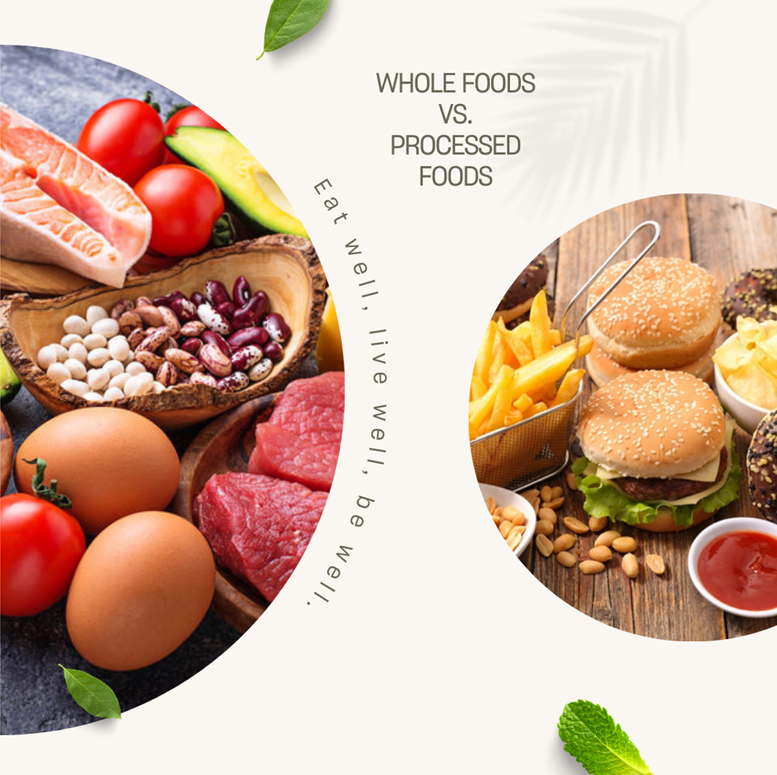
Avoiding Heavy and Fatty Foods for Comfortable Fasting. Maintaining a balanced diet during Ramadan is not only about what you eat but also about what you avoid. Heavy, fatty, and overly processed foods can create discomfort, increase thirst, and reduce energy levels during fasting hours. By choosing lighter, nutrient-dense options and preparing meals thoughtfully, you can improve digestion, stay hydrated, and maintain overall well-being throughout the day.
Many people mistakenly consume fried, greasy, or fast foods at Suhoor, believing that high-calorie meals will sustain them longer. While these foods are calorie-dense, they often lead to early dehydration, bloating, and lethargy. Understanding the impact of different foods and adjusting your meals accordingly can create a more comfortable and productive fasting experience.
Limit Red Meat, Fried, and Fast Foods
Red meat, fried items, and fast food tend to increase thirst and digestive stress during fasting. While small portions can be included occasionally, these should not form the bulk of your Suhoor or Iftar meals. Lean proteins such as chicken, fish, eggs, and legumes are healthier alternatives, providing sustained energy without the discomfort associated with fatty foods.
For example, a Suhoor plate of boiled eggs, brown bread, grilled vegetables, and a small portion of legumes offers a balanced mix of protein, fiber, and complex carbohydrates. This combination keeps you full, hydrated, and energized throughout fasting hours.
Prepare Food Using Healthy Methods
The method of preparation significantly affects how foods impact your fasting. Grilling, steaming, boiling, or baking reduces fat content while preserving nutrients. Adding spices and herbs enhances flavor without increasing salt or oil intake.
For instance, baking fish or chicken with onions, tomatoes, and mild spices creates a delicious, nutritious meal. Steaming vegetables retains water content and vitamins, supporting hydration and satiety. Soups made with vegetables or legumes can also provide warmth, hydration, and essential nutrients without excess fat.
Avoiding Heavy and Fatty Foods for Comfortable Fasting
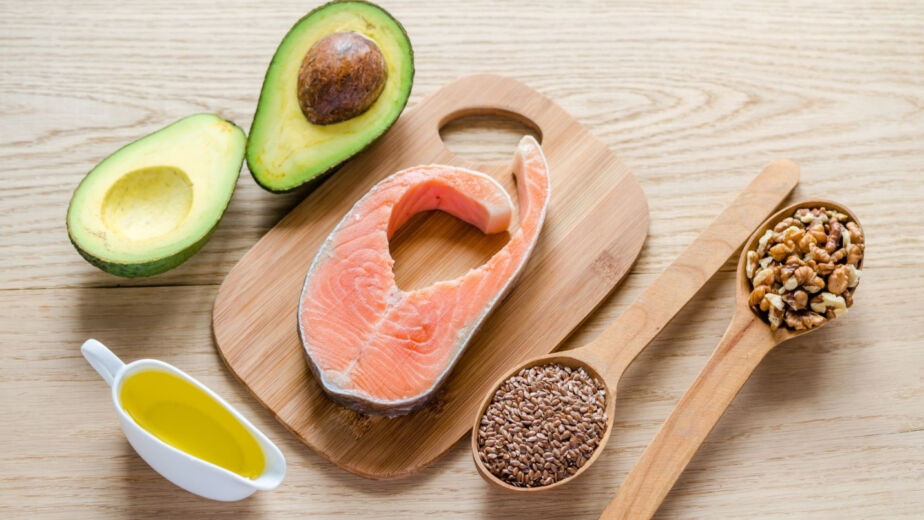
Adding a teaspoon of healthy oils such as olive or corn oil enhances satiety and nutrient absorption. Healthy oils support energy balance and prevent the feeling of early hunger during fasting hours. However, portion control is key to avoid unnecessary calorie intake.
For example, a salad dressing with olive oil, lemon juice, and herbs complements a Suhoor or Iftar plate while keeping the meal light and nutritious. Combining healthy oils with protein, whole grains, and vegetables ensures a balanced meal that sustains energy levels.
Include Water-Rich Foods and Vegetables
Vegetables, salads, and fruits with high water content are essential for hydration during Ramadan. Cucumbers, lettuce, tomatoes, watermelon, cantaloupe, and peaches help replenish fluids naturally and support digestion. Including a quarter of your meal as fresh vegetables or salad at Suhoor and Iftar improves hydration, satiety, and overall nutrient intake.
Use Portion Control and Meal Division
Dividing meals into smaller portions prevents overloading the digestive system and reduces discomfort. For Suhoor, consider having two smaller meals or snacks instead of one large plate. Similarly, for Iftar, start with a glass of water, a couple of dates, and a small portion of soup before proceeding to the main plate.
This approach not only aids digestion but also stabilizes blood sugar levels, prevents sudden hunger, and promotes a steady release of energy throughout the fasting day.
Reduce Salt and Spices at Suhoor
Excessive salt and spices increase thirst and can make fasting uncomfortable. Limiting salty or heavily spiced foods at Suhoor ensures that your body remains hydrated longer and prevents unnecessary dehydration. Instead, focus on mild, flavorful meals with natural herbs, vegetables, and lean proteins.
Conclusion: Smart Choices for a Comfortable Fast
By avoiding heavy, fatty, or overly processed foods, and focusing on healthy preparation methods, hydration, and portion control, you can enjoy a more comfortable and productive Ramadan. Incorporating lean proteins, water-rich vegetables, healthy oils, and balanced meal portions ensures sustained energy, proper hydration, and overall wellness during fasting hours.
Making these mindful adjustments supports both physical and mental clarity, allowing you to focus on spiritual reflection and daily activities without discomfort or fatigue.
Take the Next Step Toward a Healthier Ramadan
Want guidance on avoiding heavy foods, improving digestion, and maintaining energy throughout Ramadan? Our experts provide personalized strategies to optimize your fasting experience.
📞 Schedule Your Personalized Event Consultation
Contact seattlesupportservices Now to Discuss Your Event Requirements
👉 Message Us: https://wa.me/971565370073