
Table of Contents
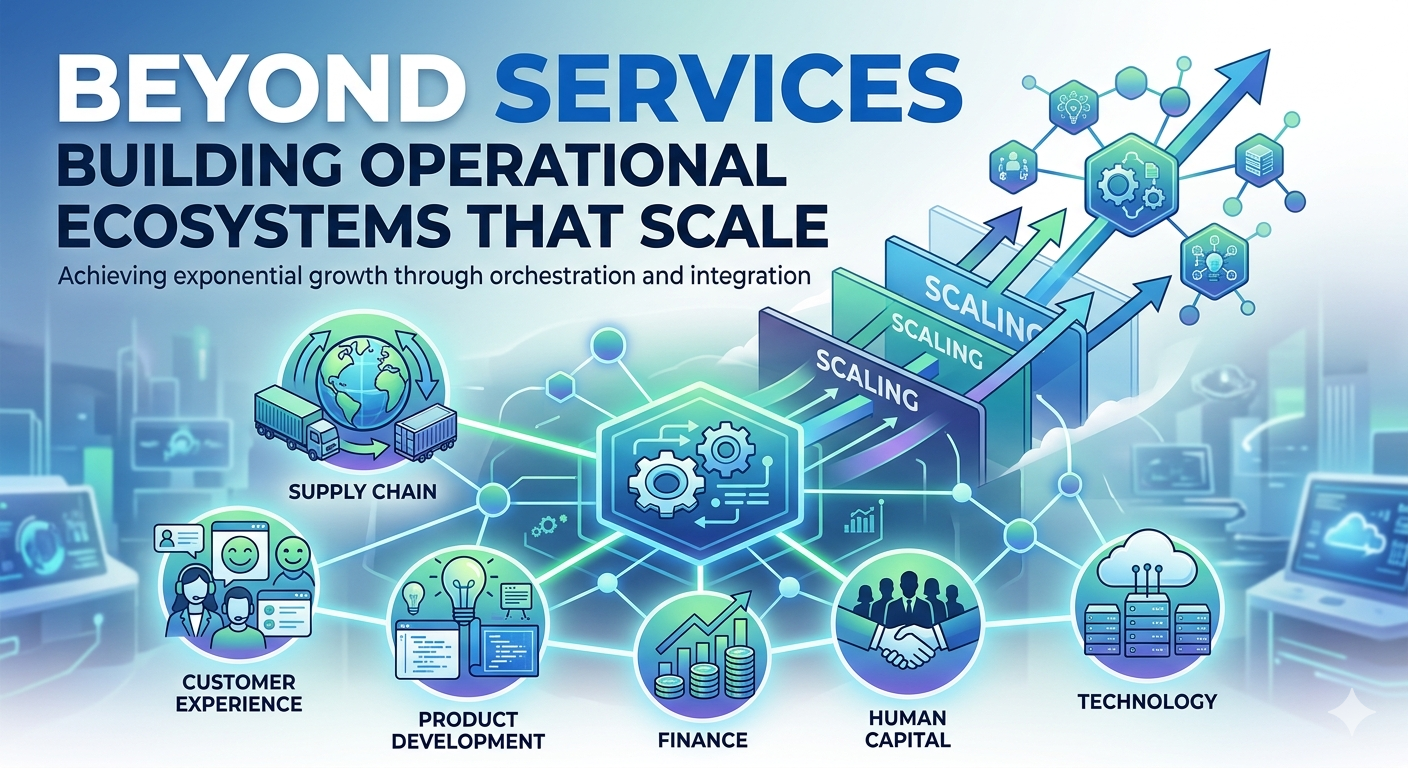
ToggleBeyond Services – Building Operational Ecosystems That Scale
Modern organizations are rapidly moving beyond the traditional idea of “service delivery.” Today, success is no longer about offering isolated services—it is about building connected operational ecosystems that can grow, adapt, and scale with business needs. This shift is redefining how companies operate, compete, and expand in complex markets.
What Does “Operational Ecosystem” Really Mean?
An operational ecosystem is an integrated network of services, processes, people, and technology that work together as a unified system rather than separate units.
From Services to Systems Thinking
Instead of viewing each function as a standalone service (like cleaning, HR, logistics, or IT), organizations now treat them as interconnected parts of a larger system.
Why This Shift Matters
When operations are designed as an ecosystem, decisions in one area naturally support and strengthen other areas, creating alignment across the entire organization.
Moving Away from Fragmentation
Traditional models often create silos where departments operate independently. Ecosystem thinking removes these silos and replaces them with collaboration-driven structures.
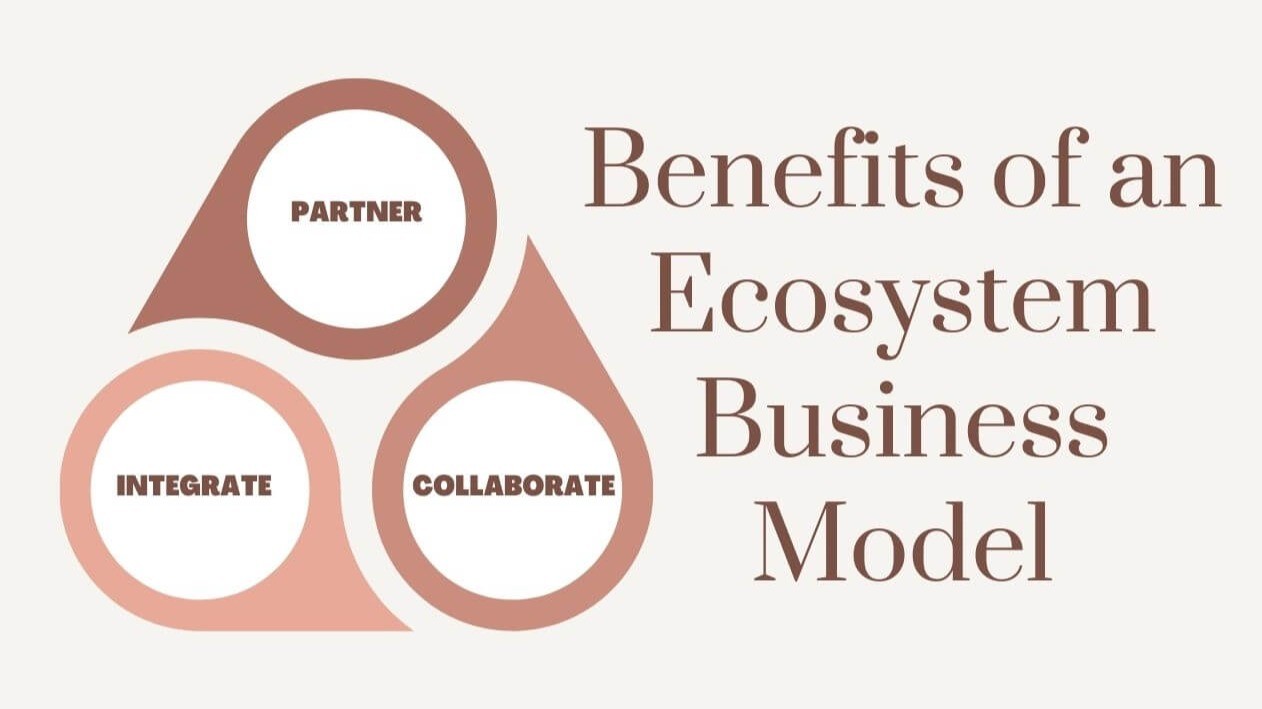
The Foundation of Scalable Operational Ecosystems
To build something that scales, organizations need strong foundations that can support growth without breaking under pressure.
Integrated Service Architecture
A scalable ecosystem depends on how well services are connected.
Centralized + Decentralized Balance
The most effective models combine centralized governance with decentralized execution, allowing consistency while maintaining flexibility.
Unified Data Flow
When data flows across departments seamlessly, organizations gain full visibility into operations and can respond faster to changes.
Process Standardization
Scalability is impossible without standard processes.
Consistent Operating Models
Standard operating procedures ensure that every part of the ecosystem follows the same logic and quality standards.
Repeatability at Scale
When processes are repeatable, organizations can expand into new locations or markets without rebuilding systems from scratch.
Technology as the Core of Modern Ecosystems
Technology is not just a support tool—it is the backbone of scalable ecosystems.
Digital Transformation Infrastructure
Modern ecosystems rely on digital platforms that connect all operational layers.
Cloud-Based Systems
Cloud infrastructure allows organizations to operate globally without physical limitations.
Real-Time Access and Control
Decision-makers can monitor operations in real time, improving responsiveness and accuracy.
Automation and AI Integration
Automation reduces manual workload and increases operational speed.
Intelligent Workflow Systems
Tasks are automatically assigned, tracked, and optimized through smart systems.
Predictive Operational Models
AI can predict demand, failures, and resource needs before they happen, enabling proactive decision-making.
People as a Core Part of the Ecosystem
Even in highly digital environments, people remain the driving force behind success.
Cross-Functional Teams
Modern ecosystems require teams that can operate across multiple domains.
Collaboration Over Isolation
Employees no longer work in isolated roles but as part of interconnected teams that share goals and outcomes.
Skill Flexibility
Workers must adapt to evolving tools, technologies, and operational demands.
Leadership in Ecosystem Models
Leadership plays a critical role in ensuring alignment and direction.
From Management to Orchestration
Leaders act more like orchestrators, ensuring that all components of the ecosystem work in harmony.
Data-Driven Decision Making
Leadership decisions are increasingly based on real-time data rather than intuition alone.
Scalability: The Real Power of Ecosystem Thinking
The true value of operational ecosystems is their ability to scale efficiently.
Expanding Without Losing Control
Growth often leads to complexity, but ecosystems are designed to manage complexity naturally.
Replicable Frameworks
Once an ecosystem is built, it can be replicated across new locations, markets, or business units.
Controlled Expansion
Scaling becomes structured and predictable rather than chaotic.
Cost Efficiency at Scale
Operational ecosystems reduce unnecessary duplication of effort and resources.
Shared Infrastructure
Resources such as technology platforms, service teams, and processes are shared across the organization.
Economies of Scale
The larger the system grows, the more efficient it becomes.
The Role of Data in Ecosystem Performance
Data is the nervous system of any operational ecosystem.
Unified Data Ecosystems
All operational components feed into a central data system.
Real-Time Insights
Organizations can track performance instantly and make faster adjustments.
Transparency Across Operations
Visibility ensures accountability and improves overall efficiency.
Continuous Improvement Loops
Data enables constant refinement of operations.
Feedback-Driven Optimization
Systems learn from performance data and continuously improve processes.
Performance Benchmarking
Organizations can compare performance across departments and locations to identify gaps.
Challenges in Building Operational Ecosystems
Despite their advantages, building scalable ecosystems is not simple.
Organizational Resistance
People often resist change, especially when moving from silo-based structures.
Cultural Transformation Requirements
Shifting to ecosystem thinking requires a major cultural change across the organization.
Communication Gaps
Without clear communication, teams may struggle to understand new workflows.
Complexity of Integration
Connecting multiple systems and services can be technically challenging.
Legacy System Limitations
Older systems may not integrate easily with modern platforms.
Need for Gradual Transformation
Most organizations must transition step by step rather than all at once.
The Future of Operational Ecosystems
The future belongs to organizations that can think and operate as ecosystems.
Fully Connected Enterprises
Companies will operate as unified digital networks rather than traditional hierarchies.
End-to-End Automation
Entire workflows from request to delivery will be automated and self-managed.
Zero-Friction Operations
The goal will be seamless operations with minimal delays and manual intervention.
Ecosystems Across Industries
This model is expanding beyond large corporations.
SMEs and Startups Adoption
Smaller companies are increasingly adopting ecosystem-based thinking to compete with larger players.
Global Operational Networks
Businesses will operate across borders with unified systems and processes.
Conclusion
Building operational ecosystems is no longer a future concept—it is a present-day necessity. Organizations that move beyond isolated services and adopt integrated, scalable systems gain a significant advantage in efficiency, cost control, and growth potential.
In a world defined by speed, complexity, and constant change, ecosystem thinking is what transforms businesses from simple service providers into scalable, intelligent operational engines.
