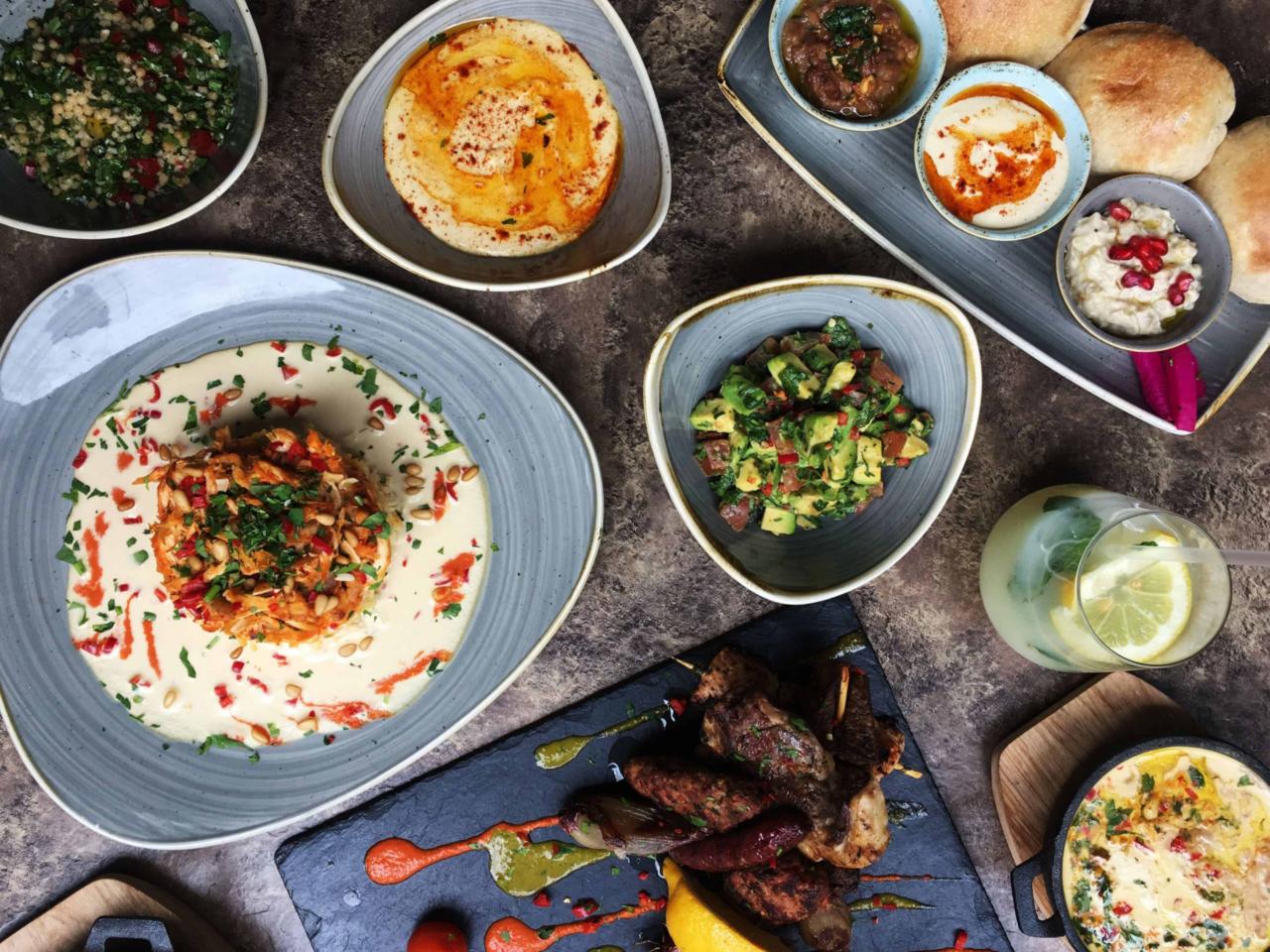
Why You Should Avoid Fried Foods and Red Meat at Suhoor? The Suhoor meal is arguably the most important meal of the day during Ramadan. It is your final opportunity to fuel your body for the long hours ahead. However, many people treat Suhoor like a second dinner, indulging in heavy red meats, fried samosas, or fast food.
At Seattle Support Services, we emphasize the importance of “functional eating.” What you eat at 3:00 AM directly determines how you will feel at 3:00 PM. Avoiding high-fat, high-sodium foods at Suhoor is essential for preventing thirst and fatigue.
How much you consume or do not eat during Ramadan has a significant impact on your energy levels. After fasting all day, the temptation to overeat and drink sweetened drinks during iftar and suhoor is strong, but you may be doing yourself a disservice.
Fasting during Ramadan can benefit one’s health, but only if done correctly. If you see a spread of tempting foods, it is critical to maintain self-control. Otherwise, it may do more harm than good.
Iftar and suhoor foods should be well-balanced and include foods from all food groups, such as veggies, cereals, meat, milk products, and fruit. Suhoor must be nutritious to get enough energy to last through the long hours of fasting.
While suhoor is essential, dietary habits during iftar should not be overlooked. These include sodium ions, which are lost through sweating, particularly in the summer. As a result, it is critical to breaking the fast with a balanced diet during Ramadan to ensure that your body’s essential nutritional needs are met.
Here are our recommendations for foods to avoid:
The Sodium-Thirst Connection
Fast foods and processed red meats (like sausages or heavily seasoned beef) are loaded with sodium. Sodium draws water out of your cells and into the bloodstream. This physiological process triggers the brain’s thirst center. If you eat a salty burger or fried chicken for Suhoor, you will likely feel parched within two hours of sunrise.
The Problem with Fried Foods
Fried foods (French fries, Sambousek, fried chicken) are high in trans fats and acrolein.
-
Digestive Distress: Frying makes food difficult to digest. This can lead to acid reflux and heartburn during the day while you are fasting.
-
Inflammation: Trans fats promote inflammation, which can make you feel sluggish and achy.
-
Heavy Stomach: That “heavy” feeling in your gut after a fried meal interferes with the quality of your sleep after Suhoor.
Red Meat and Thermogenesis
Red meat is high in protein, which is generally good. However, processing large amounts of animal protein requires significant metabolic energy—a process called thermogenesis. This slightly raises your body temperature and requires more water for metabolism, contributing further to dehydration and a feeling of warmth and discomfort during a hot fast.
Better Alternatives
Instead of a heavy meat-based Suhoor, consider:
-
Plant-based proteins: Lentils or chickpeas.
-
Lean proteins: Boiled eggs or Greek yogurt.
-
Hydrating sides: Cucumber, lettuce, and tomatoes.

Conclusion
To ensure a peaceful and energetic fast, your Suhoor should be light yet sustaining. By eliminating fried foods and heavy red meats, you protect yourself from the primary enemies of the fasting person: extreme thirst and digestive discomfort.
👉 Message Us: https://wa.me/971565370073