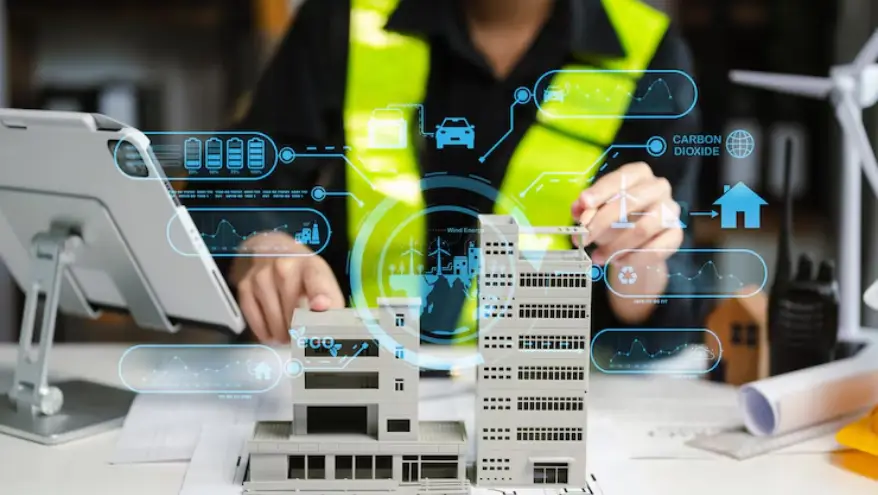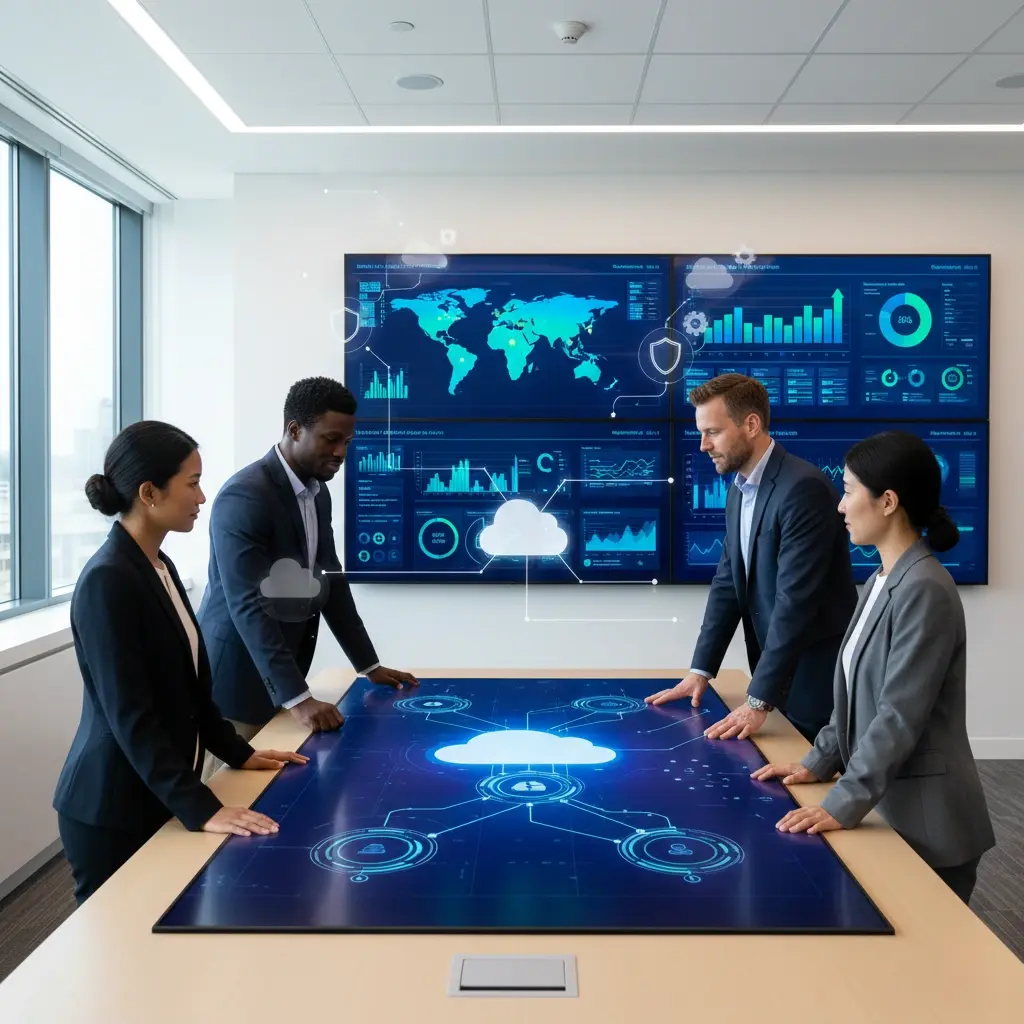
Sustainable Facility Management Practical Strategies for UAE Businesses Sustainability is becoming an increasingly important consideration for businesses across the UAE. Companies are looking beyond traditional cost-saving measures and are searching for practical ways to reduce resource consumption, improve operational efficiency, and create more responsible workplaces.
This is where sustainable facility management in the UAE can make a significant difference.
Facility management is no longer limited to maintaining buildings, arranging repairs, or managing cleaning operations. A modern facility management strategy can influence energy consumption, water usage, waste management, equipment performance, procurement decisions, workplace conditions, and the overall efficiency of business operations.
The good news is that businesses do not need to completely transform their facilities overnight. Sustainable facility management can be introduced gradually through practical changes that deliver measurable operational and environmental benefits.
What Is Sustainable Facility Management?
Sustainable facility management combines traditional facility management practices with environmental and resource-efficiency principles.
The goal is to operate and maintain facilities in a way that balances:
- Operational performance
- Cost efficiency
- Environmental responsibility
- Employee wellbeing
- Asset protection
- Long-term business objectives
For UAE businesses, this approach can be particularly valuable because facilities often operate for long hours and may require significant cooling, lighting, water, cleaning, and maintenance resources.
A sustainable approach helps businesses identify where resources are being consumed and where operational improvements can be made.
1. Improve Energy Efficiency
Energy management should be one of the first areas businesses evaluate.
Commercial facilities can consume significant amounts of energy through air conditioning, lighting, equipment, elevators, and other building systems.
Businesses can improve energy efficiency by:
- Using energy-efficient lighting
- Installing smart lighting controls
- Monitoring air-conditioning performance
- Maintaining HVAC systems regularly
- Using sensors in appropriate areas
- Reducing unnecessary equipment usage
- Monitoring energy consumption over time
Regular maintenance is especially important. An inefficient HVAC system, for example, may consume more energy while providing less effective cooling.
Sustainable facility management therefore connects environmental responsibility with practical cost control.
2. Manage Water More Efficiently
Water management is another important part of sustainable facilities.
Businesses can reduce unnecessary water consumption by identifying leaks, monitoring usage, and maintaining plumbing systems properly.
Practical measures may include:
- Regular inspection of plumbing systems
- Fast response to leaks
- Water-efficient fixtures
- Controlled irrigation systems
- Smart monitoring where appropriate
- Employee awareness programs
Small improvements can become significant when applied across large offices, commercial properties, hospitality facilities, and multi-site operations.
3. Introduce Better Waste Management
Effective waste management should go beyond simply removing waste from a facility.
Businesses can develop systems that encourage waste reduction, responsible disposal, and recycling wherever practical.
A facility management strategy can include:
Waste Separation
Providing clearly identified waste collection points can make it easier for employees and visitors to separate recyclable and general waste.
Waste Reduction
Businesses can also examine where unnecessary waste is generated and look for ways to reduce it.
For example, digital documentation can reduce paper consumption, while better inventory management can help prevent unnecessary purchasing.
Responsible Disposal
Certain materials require appropriate handling and disposal. A professional facility management partner can help businesses establish procedures that support safer and more responsible waste management.
4. Use Preventive Maintenance
Preventive maintenance is one of the most practical sustainability strategies available to businesses.
Instead of waiting for equipment to fail, facility teams regularly inspect and maintain critical systems.
This can help:
- Extend equipment lifespan
- Reduce unexpected breakdowns
- Improve equipment efficiency
- Reduce emergency repair requirements
- Protect business assets
- Minimize unnecessary replacement
A well-maintained system generally has a better chance of operating efficiently than one that is regularly neglected.
Preventive maintenance can therefore support both sustainability and financial efficiency.
5. Make Smarter Procurement Decisions
Sustainability should also be considered when purchasing products and services for a facility.
Businesses can review whether suppliers and products align with their operational and environmental objectives.
Procurement teams may consider:
- Product durability
- Energy efficiency
- Packaging
- Maintenance requirements
- Product lifespan
- Reusability
- Supplier practices
Choosing durable products can reduce the frequency of replacement, helping businesses reduce waste and control long-term costs.
6. Improve Indoor Workplace Conditions
Sustainability should not focus only on environmental metrics. The people using the facility are equally important.
A well-managed workplace can support employee comfort, productivity, and wellbeing.
Facility teams can contribute by maintaining:
- Comfortable indoor temperatures
- Clean common areas
- Appropriate lighting
- Good ventilation
- Functional workplace equipment
- Hygienic facilities
The result is a workplace that is not only more resource-efficient but also more comfortable and productive for employees.
7. Use Technology to Monitor Facility Performance
Technology can make sustainable facility management much more effective.
Businesses can use digital systems to monitor areas such as:
- Energy consumption
- Water usage
- Maintenance schedules
- Equipment performance
- Cleaning activities
- Facility incidents
- Service requests
Instead of relying entirely on assumptions, facility managers can use operational data to identify trends and make better decisions.
For larger organizations, centralized monitoring can also make it easier to compare performance across multiple locations.
8. Train Employees and Facility Teams
Even the best sustainability strategy can fail without employee participation.
Employees interact with facilities every day, which means their behavior can directly affect resource consumption and waste generation.
Businesses can encourage sustainable habits by providing simple guidance on:
- Switching off unnecessary equipment
- Reducing water waste
- Using recycling facilities correctly
- Reporting leaks or maintenance problems
- Avoiding unnecessary printing
- Following workplace sustainability procedures
Facility teams should also receive appropriate training so that sustainability becomes part of everyday operations rather than a separate initiative.
9. Set Measurable Sustainability Goals
Sustainability becomes much easier to manage when businesses establish measurable objectives.
Instead of simply stating that a company wants to become “more sustainable,” management can define specific targets.
Examples include:
- Reducing energy consumption
- Reducing water usage
- Increasing recycling rates
- Reducing maintenance-related downtime
- Extending equipment lifespan
- Reducing unnecessary operational waste
Regular reporting can then help management determine whether these initiatives are producing meaningful results.
10. Build Sustainability Into Daily Operations
One of the biggest mistakes businesses can make is treating sustainability as a one-time project.
A more effective approach is to integrate sustainability into everyday facility management.
This means considering sustainability when:
- Planning maintenance
- Purchasing equipment
- Managing cleaning operations
- Reviewing suppliers
- Upgrading facilities
- Monitoring utilities
- Training employees
When sustainability becomes part of normal operational decision-making, it becomes easier to maintain long term.
Why Sustainable Facility Management Matters for UAE Businesses
The UAE has a diverse business environment that includes offices, hospitality properties, retail spaces, commercial buildings, events, and large-scale facilities.
Each type of operation has different facility requirements, but the underlying objective remains similar: operate efficiently while maintaining high standards of service and performance.
Sustainable facility management can help businesses achieve this by combining environmental responsibility with operational efficiency.
Rather than viewing sustainability only as an environmental initiative, companies can treat it as part of a broader strategy for managing resources, protecting assets, improving workplaces, and preparing for long-term growth.
How to Start a Sustainable Facility Management Strategy
Businesses that are unsure where to begin can follow a simple process:
Step 1: Assess Current Operations
Identify the facility’s major energy, water, waste, maintenance, and operational requirements.
Step 2: Identify Improvement Opportunities
Determine which areas have the greatest potential for efficiency improvements.
Step 3: Prioritize Practical Changes
Start with initiatives that are realistic, measurable, and aligned with business priorities.
Step 4: Monitor Results
Track performance before and after implementing improvements.
Step 5: Continuously Improve
Review the results regularly and identify additional opportunities.
This approach allows businesses to improve sustainability without disrupting normal operations.
Choosing the Right Facility Management Partner
Implementing sustainable practices can be easier with an experienced facility management partner.
A professional provider should understand that every facility has different operational requirements. Instead of applying the same approach everywhere, the provider should evaluate the property, understand business priorities, and develop practical solutions.
At Seattle Support Services (SSS), facility management is approached as part of a broader business support strategy. Through professional cleaning and facility management solutions, businesses can maintain reliable operations while creating opportunities for greater efficiency and long-term improvement.
The right partner can help businesses move from individual sustainability initiatives toward a more coordinated facility management strategy.
Conclusion
Sustainable facility management in the UAE is not simply about using fewer resources. It is about creating facilities that operate more efficiently, protect valuable assets, support employees, and contribute to long-term business objectives.
From energy and water management to preventive maintenance, responsible procurement, waste reduction, technology, and employee engagement, businesses have many practical opportunities to improve their facilities.
The most effective strategy is not necessarily the most complicated one. It is the strategy that can be implemented consistently, measured accurately, and improved over time.
For UAE businesses looking to build more efficient and responsible operations, sustainable facility management can be an important step toward a stronger and more future-ready workplace.
As companies continue to expand in increasingly competitive markets, integrated support services provide the flexibility, consistency, and expertise needed to support sustainable growth. Partnering with a trusted integrated services provider allows businesses to focus on their core objectives while ensuring their operational environment remains productive, professional, and prepared for future success.
👉 Message Us: https://wa.me/971565370073
👉 Contact Us https://seattlesupportservices.com/contact-us/